
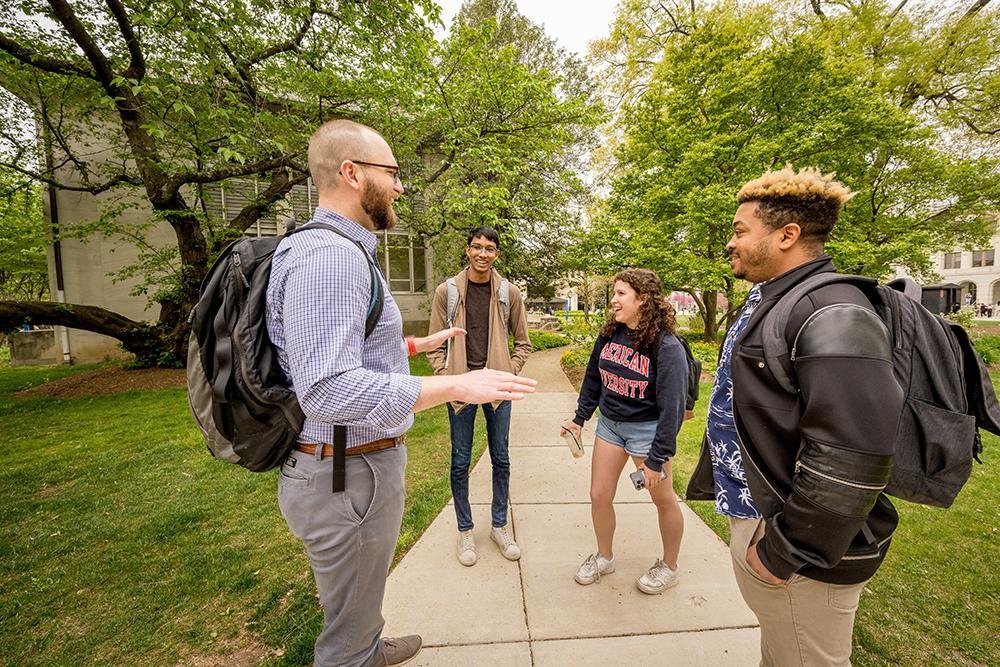
Studying in the United States is a dream for many students around the world. American colleges and universities offer a wide range of degree programs, modern learning facilities, research opportunities, and access to diverse career paths. International students can choose from thousands of institutions and study subjects such as business, computer science, engineering, healthcare, finance, and education.
However, understanding how international students can study in the USA is important before beginning the application process. Students need to select a suitable university, meet academic requirements, prepare the necessary documents, arrange funding, and apply for the correct student visa. Planning early can help make the process more organized and reduce unexpected costs. This guide explains the main steps international students should follow to pursue their educational goals in America.
Why Study in the USA?
The United States is home to a large variety of public universities, private colleges, community colleges, and specialized institutions. Students can choose programs based on their academic interests, career plans, budget, and preferred location. Many universities also provide research opportunities, internships, academic advising, and career development services.
Another advantage is the flexibility of the American education system. Students may be able to begin at a community college and later transfer to a four-year university, depending on admission and credit-transfer requirements. Undergraduate and graduate students can also explore different majors, minors, and specialized programs.
Studying in the USA provides opportunities to meet people from different backgrounds and develop communication, independence, and problem-solving skills. However, an American degree does not automatically guarantee employment or permanent immigration status. Students should research education costs, employment rules, and future career requirements before choosing a university.
Step 1: Choose the Right University and Program
The first step is to identify universities that offer your preferred subject and accept international applicants. Consider factors such as academic quality, tuition fees, location, campus facilities, class sizes, and available financial assistance.
For an undergraduate degree, students usually need to complete secondary school and provide their academic records. Graduate applicants generally need a relevant bachelor’s degree, transcripts, and other materials required by the program. Some universities may request standardized test scores, essays, recommendation letters, or proof of English proficiency.
Do not apply only to famous or expensive universities. Research several institutions that match your academic qualifications and financial situation. Check whether each school is accredited and, if you need an F-1 or M-1 student visa, whether it is certified by the Student and Exchange Visitor Program (SEVP).
Useful official resources include EducationUSA, which helps international students research U.S. study options, and the U.S. government’s international student guide.
Step 2: Understand the Admission Requirements
Admission requirements vary by institution, degree level, and field of study. Before submitting an application, read the university’s official requirements and deadlines carefully.
Common application documents include:
- Academic transcripts and certificates
- A valid passport or identification information
- English proficiency test results, if required
- SAT or ACT scores, if required by the institution
- Personal statement or application essays
- Recommendation letters, when requested
- A résumé or portfolio for certain programs
- Application fee or an approved fee-waiver request
Students applying for a master’s or doctoral program may also need a statement of purpose, research proposal, or relevant work experience. Some graduate programs require the GRE or GMAT, while others do not.
If your academic records are not in English, the university may require certified translations. Some institutions also request credential evaluations. Check the instructions for every university because requirements are not identical.
Apply before the stated deadline and keep copies of submitted documents. An incomplete application can delay an admission decision, even when your academic qualifications are strong.
Step 3: Plan Your Tuition and Living Expenses
Understanding the cost of studying in the USA is essential for international students. Your budget should include tuition, accommodation, food, health insurance, books, transportation, and personal expenses. Costs vary considerably between universities and locations.
Public universities may offer different tuition rates for residents and nonresidents, while private institutions set their own prices. Living in a large city may also cost more than living in a smaller college town.
Before applying, visit each university’s website and look for its estimated cost of attendance for international students. Compare the total annual cost rather than tuition alone. Ask the university’s international admissions or financial aid office about payment schedules, scholarships, and any additional fees.
Scholarships and Financial Aid
Some American universities offer scholarships to international students based on academic achievement, talent, leadership, or financial need. Availability and eligibility differ by institution, and competitive awards may require excellent grades and strong application materials.
Students can also investigate funding from governments, charitable foundations, employers, and organizations in their home countries. Graduate students may find research or teaching assistantships in certain departments, although these positions are not guaranteed.
Do not assume that every scholarship covers the full cost of studying. Some awards cover only tuition, while others may also help with housing or living expenses. Review the conditions carefully and confirm whether the award is renewable.
The official EducationUSA funding guide is a useful starting point for exploring funding opportunities.
Step 4: Receive Admission and Obtain Form I-20
After a university accepts your application, you must complete its enrollment and international student procedures. If you plan to study under the F-1 student visa category, you will generally need an eligible program at an SEVP-certified institution.
The university’s designated school official will explain the documentation needed to issue Form I-20, the Certificate of Eligibility for Nonimmigrant Student Status. You may be asked to provide evidence that you can pay your tuition and living expenses, along with passport details and other required information.
Review your Form I-20 carefully to make sure your personal information, program, and other details are correct. Follow the university’s instructions about signing the document, paying the required SEVIS fee, and completing the next stages of the visa process.
Receiving an admission offer or Form I-20 does not automatically mean your student visa will be approved. You must still meet the relevant visa requirements and complete the application process.
For official guidance, visit the U.S. Department of State’s student visa page.
Step 5: Apply for the Correct U.S. Student Visa
The appropriate visa depends on the type of program you plan to attend. The main categories associated with international study are:
- F-1 visa: Generally used for full-time academic study at an eligible college, university, or English-language program.
- M-1 visa: Generally used for qualifying vocational or nonacademic study.
- J-1 visa: Used by eligible exchange visitors participating in approved exchange programs.
Many international students pursuing a university degree use the F-1 category. However, you should confirm the correct category for your particular program.
For an F-1 visa, the process generally involves completing the online DS-160 application, paying the applicable visa application fee, scheduling an interview when required, and preparing the necessary documents. These commonly include your passport, Form I-20, DS-160 confirmation, and evidence of financial support. Consular officials may also request academic records and other documentation.
During the interview, answer questions honestly and clearly. Be prepared to explain your study plans, why you selected the institution, how you will fund your education, and other matters relevant to your eligibility. Visa approval is not guaranteed, and appointment availability and procedures can change.
Always follow the latest instructions from the U.S. embassy or consulate where you will apply.
Step 6: Prepare for Travel and Life in America
After receiving your visa, prepare for your move to the United States. Confirm your university’s arrival instructions, arrange accommodation, review your health insurance requirements, and plan your transportation from the airport to campus.
Keep essential documents accessible during travel. These may include your passport, valid visa, Form I-20, university admission information, and financial documentation. Follow the university’s instructions about when you can arrive and how to complete enrollment.
It is also helpful to learn about your university’s international student office, orientation program, academic calendar, and campus support services. These resources can help you understand registration, course selection, housing, and local transportation.
Living in a new country can be challenging at first. Students may experience homesickness, cultural differences, or difficulty adjusting to a different teaching style. Connecting with classmates, joining student organizations, and asking for academic support can make the transition easier.
Can International Students Work While Studying?
Some international students can work while studying in the USA, but employment is subject to immigration rules. Students in F-1 status may generally qualify for certain on-campus employment, subject to applicable restrictions. Work off campus usually requires specific authorization and must meet the relevant eligibility conditions.
For example, some eligible students may qualify for Curricular Practical Training (CPT) or Optional Practical Training (OPT), which are connected to their field of study and subject to specific rules. These options are not automatic benefits for every student or job.
Students should speak with their designated school official before accepting employment or beginning any off-campus work. Unauthorized employment can have serious consequences for immigration status. For reliable information, consult the official U.S. government student visa guidance.
Common Mistakes International Students Should Avoid
One common mistake is applying too late. Universities have different application deadlines, and visa appointments may also require advance planning. Begin researching institutions early and create a calendar for applications, financial documents, tests, and visa procedures.
Another mistake is choosing a university without checking its total cost. Tuition may appear affordable, but housing, insurance, transportation, and other expenses can significantly increase the budget. Students should also investigate scholarship conditions and avoid assuming that part-time employment will cover all their expenses.
Be careful with unofficial agents or anyone promising guaranteed admission, scholarships, or visa approval. Use university websites and government resources to verify important information. Never submit false documents or misrepresent your academic or financial circumstances.
Finally, do not ignore immigration requirements after arriving in the USA. Follow your school’s instructions, maintain the required student status, and seek advice from the international student office whenever you are unsure about your responsibilities.
Conclusion
International students can study in the USA by following a clear process: researching universities, meeting admission requirements, arranging funding, receiving the necessary school documents, and applying for the correct student visa. Each stage requires careful planning, and requirements vary by university, program, and visa category.
Start early, compare the full cost of different institutions, and investigate scholarships before making a final decision. Use official resources such as EducationUSA and the U.S. Department of State to verify current requirements. With thorough preparation and realistic financial planning, students can take practical steps toward pursuing higher education in the United States.